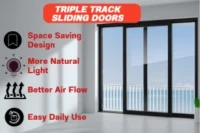
Sliding vs Folding Doors: Decide the Best for Your Space
Published: 11 Dec 25
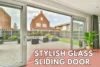
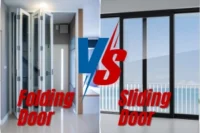
Many homeowners believe sliding doors and folding doors do the same job. They both look modern, they both open up a room, and they both connect indoor and outdoor areas. But once you look closer, the experience is completely different. Sliding doors vs folding doors is not only a design choice. It changes how you use your balcony, how much space you save, and how open a room feels. One gives a smooth view with fewer lines. The other opens wide and brings in fresh air. Understanding sliding doors vs folding doors helps you pick the style that truly fits your home.
How the Two Doors Change Your Daily Life
Small details in daily movement make a big difference in how a home feels. The way sliding doors and folding doors move can change comfort, ease, and how free each room feels.
Sliding action vs folding action : Sliding doors move side to side with one soft push. Folding doors fold together like panels, so the whole opening becomes wider.
How easy each one feels to open and close : Sliding doors need less effort and feel smooth every day. Folding doors need a gentle pull, but they create more space when fully open.
Simple opening for sliding : Sliding doors give a clean path between rooms and balcony. They make movement easy without taking extra space.
Full opening for folding Folding doors fold back and open the whole doorway. The result is a wide and open connection with the outside.
Morning light : Sliding doors bring soft light through the glass, making mornings feel bright.
Balcony coffee : Folding doors open wide, perfect for fresh air during balcony coffee or evening chats.
Family time : Both doors create open corners where family can sit, talk, and enjoy time together, but the feeling of space changes depending on which door you use.
Space Saving vs Space Opening
How much space a door uses is one of the most important things inside a home. The way sliding doors and folding doors move can either save your floor space or create a big opening.
Panels slide to the side : Sliding doors move along the frame, so the panels stay in place while opening. They do not enter the room or block any space.
No swing or folding into the room : Because they slide, they never swing in or out. You can place furniture close to them without any problem.
Panels fold together : Folding doors fold like a book. The panels move away to one side and open up the whole area.
Big opening for balcony or patio : This makes a wide space for outdoor areas. It feels open, bright, and perfect when you want to connect inside and outside.
Small rooms : Sliding doors are better for tight spaces because they never take up floor space.
Wide outdoor areas : Folding doors are perfect when you want a large opening to a garden, patio, or balcony where fresh air and big space feel important.
View and Light Experience
How a door affects light and view can completely change the feeling of a room. Sliding doors and folding doors give different experiences in brightness, openness, and connection with the outdoors.
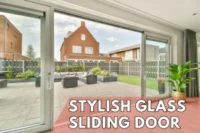
Fewer lines : Sliding doors usually have minimal frames, giving a clean, uninterrupted look.
Clear outside view : You can enjoy the scenery outside without distractions, making rooms feel more open.
Complete opening : Folding doors fold back fully, creating a wide opening that lets in more light.
Fresh air into the room : When fully opened, they allow maximum airflow, making indoor spaces feel fresh and lively.
Brightness : Both doors improve natural light, but sliding doors give a smooth, steady view, while folding doors brighten the entire area when open.
Spacious look : Sliding doors maintain a sleek look, while folding doors give a larger sense of openness when folded away.
Ease of Use and Maintenance
Sliding doors glide on a simple track system, which makes them easier to maintain over time. Most types of sliding doors have fewer moving parts than folding systems, so they stay smooth longer and need less adjustment.
Sliding movement : Sliding doors glide smoothly along their tracks with minimal effort, perfect for everyday use.
Folding track action : Folding doors fold along the track, which may take a little more attention to align panels properly, but they open wide when needed.
Glass cleaning : Both doors require regular glass cleaning to keep the view clear and bright.
Track maintenance : Sliding doors need occasional track cleaning to stay smooth. Folding doors may require a bit more effort to keep all panels aligned and tracks free of debris.
Which design stays smoother : Sliding doors tend to maintain their smooth movement longer due to simpler mechanics. Folding doors have more moving parts, so proper care ensures long-term performance.
When Sliding Doors Are the Better Choice
Sliding doors are perfect for certain situations where space, style, and ease of use matter most. Here’s when they work best in your home.
Save space, easy to move : Sliding doors do not swing or fold into the room, making them ideal for bedrooms, kitchens, or compact living areas.
Clean, modern look : With simple frames, sliding doors provide an uninterrupted view of the outside, letting natural light brighten your space.
Light action, less effort : Sliding doors glide smoothly along tracks, requiring minimal effort to open and close every day.
When Folding Doors Are the Better Choice
Folding doors shine in situations where you want wide openings, fresh air, and a strong connection to the outdoors. They are ideal for creating open, inviting spaces.
Family gatherings : Folding doors fold back completely, giving more space for family activities or parties.
Home parties : They make it easy to move between indoor and outdoor areas during social events.
Full open space : When fully opened, folding doors allow maximum airflow, keeping rooms cool and fresh.
Better for outdoor living : Folding doors create a seamless connection with patios, gardens, or balconies, perfect for enjoying outdoor spaces.
How to Decide for Your Own Home
Choosing the right door depends on your space, lifestyle, and personal preferences.
Small vs large areas : Sliding doors are ideal for compact rooms where saving floor space matters. Folding doors work better in wide openings or large outdoor areas.
What you want to see every day : Sliding doors give a clean, uninterrupted view. Folding doors let you open up the space completely for maximum sunlight and airflow.
Ease of movement and cleaning : Sliding doors are easier to operate daily and require simple maintenance. Folding doors need a little more attention but provide a full opening when needed.
What makes sense for your home : Sliding doors are generally simpler and cost-effective. Folding doors may require more investment but give wider openings and greater flexibility.
Conclusion
Both sliding doors and folding doors bring modern style and functionality to your home. Each type fits different needs depending on your space, desired light, and daily comfort. By considering how much room you have, how open you want your view, and how you use the space every day, you can choose the door that works best for your lifestyle. The right choice makes your home feel brighter, more spacious, and perfectly suited to your needs.