Kitchen Garden Window Benefits for Every Home Kitchen
Published: 8 Aug 26
Imagine picking fresh basil, mint, or parsley just an arm’s reach from your stove while cooking. A kitchen garden window is a specially designed window that extends outward to create extra space for growing herbs, leafy greens, and small indoor plants. It is becoming a popular choice because it provides fresh ingredients, supports sustainable living, and makes the most of limited space. In this guide, you’ll discover its benefits, design ideas, ideal placement, maintenance tips, and how to choose the right kitchen garden window for your home.
What Is a Kitchen Garden Window?
This window extends outward from the wall to create a small shelf-like space for plants, herbs, or decorative items. It brings in more sunlight, improves airflow, and gives homeowners an easy way to enjoy fresh greenery while cooking. While many people choose a casement design type window for kitchen spaces because of its excellent ventilation, a garden window offers the added advantage of extra growing space.
Regular Windowsill : A standard windowsill is the flat ledge below a window. It offers limited space for a few small pots or decorations. It does not extend outward, so it provides less room for growing herbs or plants.
Dedicated Garden Window :A dedicated garden window projects outward from the wall and usually has glass on the top and sides. This design lets in more sunlight and creates extra space for herbs, flowers, and small indoor plants. It works like a mini greenhouse inside your kitchen.
Built-In Window Styles :These are permanent installations designed as bay-style or garden-style windows. They add depth to the kitchen, improve natural light, and provide enough space for a small indoor garden. They are a popular choice for homeowners planning a kitchen renovation.
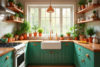
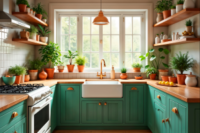
DIY Plant Displays : If replacing a window is not an option, you can create a similar look with shelves or hanging planters. Floating shelves, wall-mounted racks, and hanging baskets help you grow herbs near the window without changing the existing structure. This is an easy and budget-friendly solution.
Benefits of Growing a Kitchen Garden Window
Growing herbs and small plants near your cooking area offers more than a beautiful view. It gives you fresh ingredients, saves money, and makes everyday cooking more enjoyable. Here are the biggest benefits homeowners can enjoy.
Fresh Herbs Daily : Fresh herbs are always within reach when you need them. You can quickly pick basil, mint, coriander, or parsley while preparing a meal. This saves time and adds fresh flavor to your favorite recipes.
Lower Grocery Costs : Growing your own herbs means buying fewer fresh herbs from the store. A few healthy plants can provide many harvests throughout the season. Over time, this simple setup helps reduce your grocery bill.
Better Taste Naturally : Freshly picked herbs have a stronger aroma and richer flavor than packaged ones. They also keep more of their natural nutrients because they are used right after harvesting. Even a simple meal can taste better with freshly picked ingredients.
Less Food Waste : You only harvest the amount you need for each meal. The remaining herbs stay fresh on the plant instead of spoiling in the refrigerator. This helps reduce waste and makes better use of every plant.
Brighter Kitchen Space : Green plants bring life, color, and warmth to your kitchen. They create a calm and welcoming space that feels more enjoyable. Imagine washing dishes while looking at fresh herbs and colorful flowers instead of a plain wall.
Eco-Friendly Choice : Growing herbs at home reduces the need for plastic packaging and long-distance transportation. It is a small step that supports a greener lifestyle. You enjoy fresh ingredients while creating less waste and lowering your environmental impact.
Choosing the Right Location
The right location helps your indoor plants grow strong and healthy. Before setting up your indoor garden, check how much sunlight the area receives, the room temperature, and the airflow. These simple steps can make a big difference.
Best Window Direction : South-facing windows usually receive the most sunlight throughout the day. West-facing windows also work well because they receive strong afternoon light. If you’re comparing different kitchen window styles, choose one that receives plenty of natural sunlight. A bright location is more important than the window type itself.
Check Daily Sunlight : Different plants need different amounts of light. Most cooking herbs grow well with 6 to 8 hours of sunlight each day. Leafy greens can often grow with a little less. Watch how sunlight moves through your kitchen before choosing your plants.
Avoid Cold Drafts : Plants grow best in a stable environment. Keep them away from cold drafts, air conditioners, or heating vents. Sudden temperature changes can slow growth and damage delicate leaves.
Add Grow Lights : If your kitchen does not receive enough natural light, grow lights are a great solution. They provide the extra light plants need to stay healthy. Many LED grow lights use less electricity and are easy to install above shelves or plant stands.
Best Plants for a Kitchen Garden Window
The right plants can turn your kitchen into a fresh and useful growing space. Choose varieties that match the available sunlight and fit comfortably in the space. Here are some of the best options for homeowners.
Popular Cooking Herbs : Herbs are easy to grow and perfect for everyday cooking. Basil, parsley, chives, mint, thyme, and rosemary are popular choices. You can quickly snip a few leaves while preparing soups, salads, pasta, or tea.
Healthy Leafy Greens : Leafy greens grow well in small containers and are ready to harvest in a short time. Lettuce, spinach, arugula, and microgreens are excellent options. Pick only the leaves you need, and the plants will continue to grow.
Compact Vegetables : Some vegetables grow well in limited spaces. Compact cherry tomato and pepper varieties can produce fresh vegetables without taking up much room. Place them where they receive plenty of sunlight for the best results.
Colorful Edible Flowers : Edible flowers add beauty and flavor to your meals. Nasturtiums and pansies are safe to eat and make colorful toppings for salads, desserts, and drinks. They also brighten your kitchen with vibrant blooms.
Choose the Right Plants : Always match your plants to the available light and space. Sun-loving herbs and vegetables grow best in bright locations, while some leafy greens can handle lower light. If your space is small, choose compact varieties that grow well in pots without becoming crowded.
Setting Up Your Kitchen Garden Window
A good setup helps your plants stay healthy and makes them easier to care for. Choose the right containers, soil, and watering method before planting. You can keep the setup simple or add extra features to make better use of the available space.
Choose Right Containers : Pick pots with drainage holes so extra water can flow out easily. Choose a size that gives roots enough room to grow. Plastic, ceramic, and terracotta pots are all good options, depending on your style and budget.
Use Quality Soil : Use a high-quality potting mix instead of garden soil. Potting mix drains well and gives roots the air they need. You can also add compost for extra nutrients and healthier plant growth.
Simple Watering Solutions : Water plants only when the soil feels dry to the touch. Self-watering pots help keep the soil evenly moist and reduce daily care. Place drip trays under pots to catch extra water and protect your windowsill.
Maximize Growing Space : Use shelves, tiered plant stands, or hanging planters to grow more plants without taking up extra room. Vertical storage keeps your setup neat and allows every plant to receive enough sunlight.
DIY or Ready-Made : A DIY setup is affordable and easy to customize with pots and simple shelves. Ready-made garden window kits offer a finished look and save installation time. Choose the option that fits your budget, available space, and gardening needs.
Maintenance and Care Tips
Regular care keeps your indoor plants healthy and productive. A few simple habits can help them grow well throughout the year. Follow these tips to keep your herbs, greens, and vegetables in great condition.
Water the Right Way : Check the soil before watering. Water only when the top layer feels dry. Yellow leaves or soggy soil may mean too much water, while dry, wilted leaves often mean the plant needs more water.
Rotate for Growth : Turn your pots every week so each side receives equal sunlight. This helps plants grow straight instead of leaning toward the window. Even light also supports healthy leaf growth.
Prune and Harvest : Trim dead or damaged leaves to keep plants healthy. Harvest herbs regularly by cutting a few stems instead of removing the whole plant. For example, picking basil often encourages fresh new growth.
Control Indoor Pests : Check leaves for tiny insects such as aphids or spider mites. Remove pests by wiping the leaves with a damp cloth or spraying them with a mild soap solution. Regular checks help stop problems before they spread.
Feed Plants Regularly : Plants need nutrients to stay healthy. Use a balanced liquid fertilizer every two to four weeks during the growing season. Follow the instructions on the label to avoid adding too much fertilizer, which can damage the roots.
Cooking with Your Kitchen Garden Window
Fresh herbs and homegrown vegetables can make everyday meals more delicious. They add natural flavor, bright color, and fresh aroma to your cooking. Here are a few simple ways to get the most from your indoor garden.
Boost Everyday Meals : Fresh herbs can improve the taste of many dishes. Add basil to pasta, parsley to soups, chives to baked potatoes, or mint to fresh drinks. Even a small handful of herbs can make a simple meal feel special.
Try Easy Recipes : Use your homegrown ingredients in quick recipes that the whole family can enjoy. Toss fresh basil into pasta, top salads with microgreens, add rosemary to roasted vegetables, or use fresh thyme in grilled chicken. These recipes are easy and full of fresh flavor.
Harvest Before Cooking :Pick herbs just before you start cooking for the best taste and aroma. Freshly harvested leaves keep more of their natural oils, which gives your food a richer flavor. Snip only what you need and leave the rest to continue growing.
Store Extra Herbs : If your plants produce more than you can use, preserve the extra harvest. Dry herbs for later use, freeze chopped leaves in ice cube trays with water or olive oil, or make herb-infused oils. These simple methods help you enjoy fresh flavors long after the growing season.
Conclusion
Creating a kitchen garden window is an easy way to improve both your kitchen and your cooking experience. Choose the right plants, provide proper care, and enjoy fresh herbs whenever you need them. Small changes like these can make a big difference every day.