Choose the Best Casement Window Design for Kitchen
Published: 4 Aug 26
Many kitchens feel dark, hot, or hard to ventilate because the wrong window blocks fresh air and natural light. The right kitchen casement window design can solve these problems with better airflow, brighter interiors, and easier everyday use. Whether you are building a new kitchen or upgrading an old one, choosing a practical window style can make cooking more comfortable while adding a clean and modern look to your space.
Advantages of Casement Windows
Understanding the advantages of casement windows can help you decide if they are the right choice for your kitchen. Their practical design makes them suitable for both small and large kitchens.
Maximum Fresh Air : One of the biggest benefits of kitchen casement windows is their ability to open fully outward. Unlike many other window types that only open halfway, they allow maximum airflow into the kitchen. This helps remove cooking smoke, steam, heat, and food odours quickly. If you cook every day, better ventilation keeps your kitchen cooler and more comfortable.
Brighter Kitchen Space : These windows have large glass panels with fewer frame sections. This allows more natural sunlight to enter your kitchen throughout the day. A brighter kitchen feels more open, welcoming, and pleasant. It can also reduce the need to switch on lights during daylight hours, helping you save energy.
Better Energy Savings : When closed, casement windows create a tight seal against the frame. This helps prevent unwanted air from leaking in or out. As a result, your kitchen stays cooler in summer and warmer in winter. Better insulation can also improve your home’s energy efficiency and reduce heating or cooling costs.
Easy Cleaning Access : Casement windows operate with a simple crank handle, making them ideal for hard-to-reach areas. They are especially useful as a kitchen sink window design, where opening and cleaning a window above the countertop can otherwise be difficult. Many designs also provide easy access to both sides of the glass for regular maintenance.
Best Kitchen Window Design Options
The right kitchen window design should match your cooking needs, available space, and home style. From improving ventilation to bringing in more natural light, the right choice can make your kitchen more comfortable and visually appealing. Here are some of the best kitchen window design options to consider.
Single or Double : Single casement windows work well in compact kitchens where space is limited. They are simple to operate and provide excellent ventilation. Double casement windows are a better choice for larger kitchens. They create a wider opening, allowing more fresh air and natural light to enter while giving the room a balanced and modern appearance.
Casement and Awning : A combination of casement and awning windows offers excellent airflow throughout the day. The casement window provides wide ventilation, while the awning window can remain open during light rain. This combination is ideal for homeowners who want better air circulation in different weather conditions.
Corner Window Design : Corner casement windows are a smart option for small or L-shaped kitchens. They allow sunlight to enter from two directions, making the room feel brighter and more spacious. They also improve cross ventilation, helping fresh air move naturally through the kitchen.
Picture Window Combination : Pairing a large picture window with casement windows gives you the best of both worlds. The picture window offers wide outdoor views and brings in plenty of daylight, while the side casement windows provide fresh air whenever needed. This design works especially well in kitchens overlooking a garden, backyard, or scenic landscape.
Match Kitchen Style : Your kitchen window should blend with your cabinets, countertops, wall colours, and overall kitchen theme. For example, black aluminium frames suit modern kitchens, while white uPVC frames complement traditional or minimalist designs. Choosing a window that matches your interior creates a clean, stylish, and well-balanced look.
Comparison of Kitchen Window Styles
Every home has different requirements, so understanding the various kitchen window styles can help you choose the right option. The best kitchen window depends on your available space, ventilation needs, natural light, and overall kitchen layout. The comparison below highlights the strengths of each window style to help you make an informed decision.
| Window Style | Best For | Ventilation | Ideal Kitchen Layout |
| Casement | Maximum airflow | Excellent | Most kitchen layouts |
| Sliding | Space-saving design | Good | Small or narrow kitchens |
| Awning | Ventilation during light rain | Very Good | Kitchens in rainy climates |
Kitchen Sink Window Design Considerations
The window above your kitchen sink is one of the most important parts of the kitchen. It brings in natural light, improves ventilation, and gives you a pleasant view while washing dishes or preparing food. A well-designed sink window can make everyday kitchen tasks easier and more enjoyable.
Natural Light Benefits : A window above the sink fills the workspace with natural daylight. This makes washing dishes, cutting vegetables, and cleaning easier. It also creates a bright and welcoming kitchen. If the window overlooks a garden or backyard, you can enjoy a relaxing view while working.
Right Window Placement : The size and height of the window should match your sink and countertop. A well-positioned window allows enough light and fresh air without affecting cabinets or shelves. Planning the correct placement also ensures the window is easy to open and clean.
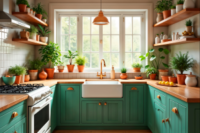
Easy Casement Operation : Casement windows are an excellent choice above the kitchen sink because they open with a simple crank handle. You can easily operate them with one hand, even if the countertop is deep. Their wide opening also helps remove cooking smells, steam, and excess heat more effectively than many other window styles.
Privacy and Protection : If your sink faces a neighbour’s home or a busy street, privacy is important. Frosted glass, textured glass, or privacy films allow natural light to enter while limiting outside views. You can also install insect screens to keep mosquitoes and other bugs out while enjoying fresh air throughout the day.
Casement Windows vs. Sliding Windows for Kitchen
When comparing casement windows vs sliding windows for kitchen, both options offer unique advantages depending on your available space and ventilation requirements.
| Feature | Casement Windows | Sliding Windows |
| Opening Style | Opens fully outward | Slides horizontally |
| Ventilation | Excellent | Good |
| Natural Light | Excellent | Excellent |
| Energy Efficiency | Higher due to tighter seal | Good |
| Cleaning | Easy access to both sides | Tracks need regular cleaning |
Factors to Consider When Choosing a Kitchen Window
Choosing the right kitchen window is about more than appearance. It should fit your kitchen layout, provide good ventilation, and match your budget. A well-planned window can improve comfort, save energy, and make your kitchen easier to use every day.
Kitchen Size Layout : Start by looking at the size and layout of your kitchen. Small kitchens often benefit from sliding or single casement windows because they save space while allowing fresh air inside. Larger kitchens have more flexibility and can use double casement, picture, or bay windows to increase natural light and improve the overall look.
Local Climate Conditions : Your local weather plays a big role in choosing the right window. In hot areas, casement windows provide excellent ventilation by letting more fresh air enter the kitchen. If you live in a region with frequent rain, awning windows or weather-resistant casement windows can help keep your kitchen ventilated even during light showers.
Choose Frame Material : The window frame affects durability, maintenance, and energy efficiency. Vinyl (uPVC) frames are affordable, energy efficient, and easy to maintain. Aluminium frames offer a modern look and high strength but may transfer more heat. Wood frames provide a classic appearance but require regular maintenance. Fiberglass frames are strong, long-lasting, and perform well in different weather conditions.
Budget and Regulations : Set a budget before choosing your kitchen window. While premium materials and larger window designs cost more, they often provide better performance and longer life. Also, check your local building codes and ventilation requirements. Following these guidelines helps ensure your kitchen window is safe, functional, and compliant with local construction standards.
Installation and Maintenance Tips
Proper installation and regular maintenance help your kitchen windows perform better and last for many years. A well-installed window improves ventilation, prevents air leaks, and keeps your kitchen comfortable in every season. Here are a few simple tips to keep your windows in excellent condition.
Professional Window Installation : Always choose experienced professionals to install your kitchen windows. Correct installation ensures the window fits securely and opens smoothly. It also helps prevent air leaks, water seepage, and future repair costs. A properly installed window provides better insulation and long-term performance.
Regular Window Cleaning : Clean the glass, frame, and tracks regularly to keep your windows looking new. Wipe the glass with a soft cloth and a mild cleaning solution. Remove dust and dirt from the hinges, handles, and sliding tracks so the window continues to operate smoothly. Regular cleaning also helps you spot small problems before they become bigger.
Inspect Hardware Often : Check the hinges, crank handle, locks, and other hardware every few months. Tighten any loose screws and apply a small amount of lubricant to moving parts if needed. Well-maintained hardware makes the window easier to open and close while improving safety and security.
Check Seals Weatherproofing : Inspect the rubber seals and weatherstripping around the window for signs of wear or damage. Replace cracked or loose seals to prevent air and water leaks. Good weatherproofing improves energy efficiency, protects your kitchen from moisture, and keeps your home comfortable throughout the year.
Conclusion
Choosing the right casement window design for your kitchen can improve ventilation, bring in more natural light, and make everyday cooking more comfortable. Compare different window styles, select the right material, and ensure proper installation for long-lasting performance. A well-planned kitchen window adds both beauty and practical value to your home.
FAQs
Yes. Casement windows are an excellent choice for kitchens because they provide maximum ventilation, bring in more natural light, improve energy efficiency, and are easy to operate and clean.
A casement window is one of the best kitchen window designs for ventilation. It opens fully outward, allowing fresh air to circulate and quickly remove cooking smoke, heat, and odors.
Yes. A casement window works well above a kitchen sink because its crank handle makes one-handed operation easy. It also improves airflow and brightens your workspace with natural light.
Casement windows offer better ventilation and energy efficiency, while sliding windows save space and cost less. Choose the option that best matches your kitchen layout and daily needs.
Choose a kitchen window based on your layout, ventilation needs, available space, budget, local climate, and home design. A well-planned window improves both comfort and functionality.